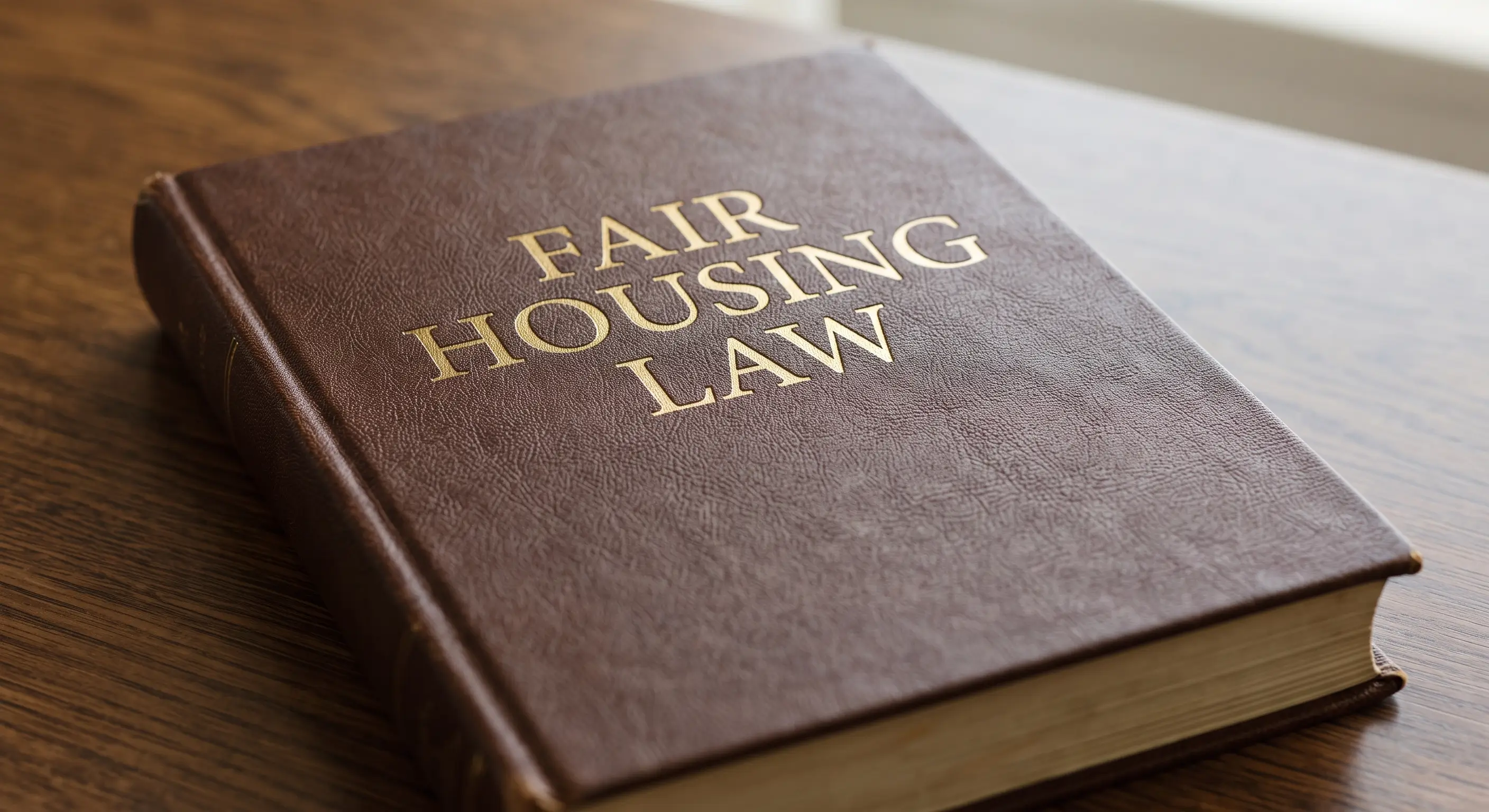
Fair housing laws exist to make sure every applicant and tenant is treated equally, regardless of race, color, religion, sex, national origin, familial status, or disability. For Pittsburgh landlords, understanding these protections is not optional. Violations, even unintentional ones, can lead to costly fines, lawsuits, and lasting damage to a landlord's reputation.
Pittsburgh landlords also need to be aware of protections that go beyond federal law. Pennsylvania and the City of Pittsburgh have their own fair housing provisions, some of which extend coverage to categories not addressed at the federal level, such as sexual orientation, gender identity, and source of income. Knowing where these overlapping rules apply and how to build compliant practices into daily operations protects both landlords and tenants.
This blog covers the fair housing basics every Pittsburgh landlord should know, from advertising and screening to maintenance requests and lease renewals, along with practical steps to stay compliant.
Key Takeaways
Fair housing laws in Pittsburgh combine federal, state, and local protections that landlords must follow together.
Consistent screening criteria and documentation reduce the risk of discrimination claims.
Reasonable accommodation requests for tenants with disabilities must be handled promptly and in good faith.
Ongoing staff training and clear policies are the most effective ways to prevent fair housing violations.
The Legal Framework Landlords Follow
The Fair Housing Act, passed in 1968 and later amended, prohibits discrimination based on race, color, national origin, religion, sex, familial status, and disability. This federal law applies to nearly all rental housing in the country, with only a few narrow exemptions.
Pennsylvania's Human Relations Act mirrors many of these protections while adding state-level enforcement mechanisms. On top of that, the City of Pittsburgh has expanded local protections to include sexual orientation, gender identity, and source of income, meaning landlords cannot deny an applicant simply because they plan to pay rent using a housing voucher.
Because these layers of law overlap, Pittsburgh landlords need to treat the broadest set of protections as the standard for their operations. Relying only on federal guidelines can leave a landlord out of compliance with state or city rules that carry their own penalties.
Advertising and Marketing Rental Properties
Fair housing compliance starts before an application is ever submitted. Advertising language that expresses a preference or limitation based on a protected class is illegal, even if unintentional. Phrases like "ideal for young professionals" or "no children" can violate familial status protections, while descriptions that imply a preference for a particular religion or ethnicity are equally problematic.
Listings should focus on the property itself, such as square footage, amenities, and location, rather than the type of tenant the landlord envisions living there. Photos, wording, and even the platforms used for advertising should be reviewed periodically to ensure they do not unintentionally signal a preference that could be seen as discriminatory.
Applying Consistent Screening Criteria
One of the most common sources of fair housing complaints comes from inconsistent tenant screening. Landlords must apply the same criteria, such as credit score minimums, income requirements, and rental history checks, to every applicant. Making exceptions for some applicants and not others, even with good intentions, opens the door to claims of disparate treatment.
Documentation matters here. Keeping clear, written records of why an application was approved or denied helps demonstrate that decisions were based on legitimate business criteria rather than a protected characteristic. This is also where sound financial systems play a role in fair housing compliance. Landlords who rely on organized property accounting services can track income verification, deposit handling, and application fees consistently across every applicant, reducing the risk of errors that could be misread as discriminatory.
Reasonable Accommodations and Modifications
Tenants with disabilities are entitled to reasonable accommodations, which are changes to rules or policies, and reasonable modifications, which are physical changes to a unit, under fair housing law. Common examples include allowing an assistance animal despite a no-pet policy or permitting a tenant to install a grab bar in a bathroom at their own expense.
Landlords are required to engage in good faith when these requests come in, rather than denying them outright. Denials should occur only when a request would impose an undue financial or administrative burden, and even then, landlords should document the reasoning carefully. Ignoring or delaying a legitimate accommodation request is one of the more common fair housing violations landlords face.
Fair Treatment in Maintenance and Repairs
Fair housing compliance does not stop once a lease is signed. Landlords must respond to maintenance requests consistently across all tenants, without prioritizing or deprioritizing based on a protected characteristic. A pattern of slower repair times for certain tenants, even if unintentional, can serve as the basis for a discrimination complaint.
Building a structured system for handling repairs helps eliminate this risk. Working with a team that provides reliable maintenance services ensures that requests are logged, tracked, and completed on a consistent timeline for every unit, protecting both the tenant experience and the landlord's fair housing standing.
Training and Ongoing Compliance
Fair housing law changes over time, and court rulings continue to shape how existing protections are interpreted. Landlords who manage their own properties should make a habit of reviewing updates from HUD, the Pennsylvania Human Relations Commission, and local Pittsburgh housing agencies at least once a year.
For landlords with staff or contractors who interact with applicants and tenants, training should extend to everyone involved in leasing, screening, and maintenance decisions. A single untrained employee making an offhand comment during a showing can expose an entire rental business to liability.
FAQs
What protected classes are covered under fair housing law in Pittsburgh?
Federal law covers race, color, religion, sex, national origin, familial status, and disability. Pittsburgh's local ordinance adds sexual orientation, gender identity, and source of income to this list.
Can a landlord refuse a housing voucher applicant in Pittsburgh?
No. Pittsburgh's fair housing ordinance prohibits discrimination based on source of income, which includes rejecting applicants solely because they use a housing choice voucher.
What counts as a reasonable accommodation request?
A reasonable accommodation is a change to a policy or rule that allows a tenant with a disability equal use of the housing, such as permitting an assistance animal in a no-pet property.
What should a landlord do if accused of a fair housing violation?
Landlords should review all documentation related to the applicant or tenant, avoid retaliatory actions, and consult with a fair housing attorney or an experienced property management team before responding.
Partner with Bridge Home for Fair, Compliant Property Operations
Fair housing compliance protects tenants and shields landlords from legal and financial risks, but staying on top of all requirements can be overwhelming for owners managing properties on their own. From consistent screening to timely maintenance response, small oversights can carry big consequences.
Bridge Home Property Management helps Pittsburgh landlords build fair, consistent, and legally sound rental operations at every stage of the tenant relationship. If you want confidence that your property is being managed properly, reach out to the team to see how we can support your rental business.